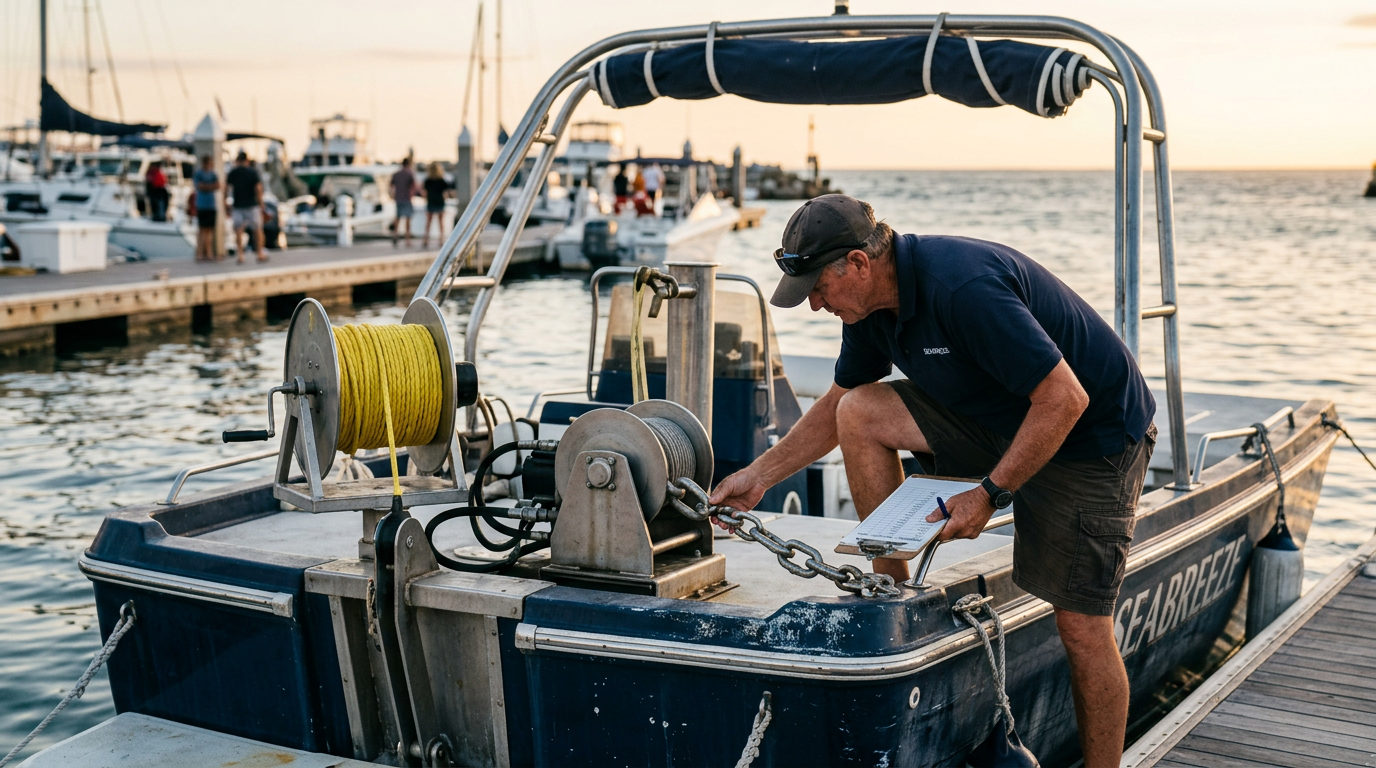
Used Parasailing Boats: Where to Buy and What to Check
Expanding your fleet or launching a new venture with one or more used parasailing boats can be a savvy financial move, but only if you approach the purc…
Expanding your fleet or launching a new venture with one or more used parasailing boats can be a savvy financial move, but only if you approach the purchase with diligence. Unlike recreational vessels, these are specialized commercial machines where the winch system is as critical as the engine and hull. Navigating the market requires a keen eye for operational wear, regulatory compliance, and the hidden costs that can turn a bargain into a money pit.
Where to Find Used Parasailing Boats
Your search for a reliable used parasail boat will likely lead you down one of four main avenues. Each has its pros and cons, and savvy buyers often explore all of them simultaneously.
- Specialized Marine Brokers: This is often the most reliable route. Brokers who specialize in commercial passenger vessels understand the nuances of USCG inspections, parasail-specific equipment, and market values. They vet listings, handle paperwork, and can connect you with surveyors and marine financing.
- Direct from Other Operators: Keep your ear to the ground. Operators looking to upgrade their fleet are a primary source of well-maintained used boats. Attending industry events and networking through organizations like the Water Sports Industry Association (WSIA) can provide leads before a boat even hits the open market.
- Online Commercial Marketplaces: Websites like YachtWorld, Commercial Boat Trader, and even Boat Trader have filters for commercial vessels. While the selection can be broad, you'll need to do more legwork to verify the boat's condition and history. Be wary of listings on general-purpose sites like Craigslist, as these are less likely to be from professional operators.
- Manufacturers and Dealers: Brands like Centurion, CWS, or Ocean Pro Marine sometimes take trade-ins or are aware of owners looking to sell. Contacting them directly can occasionally yield a high-quality, pre-owned vessel that may even come with some level of dealer support.
The Pre-Purchase Inspection Checklist
Never purchase a used parasail boat without a thorough inspection, preferably by a qualified marine surveyor with experience in small passenger vessels (SPVs). Your personal inspection should be a preliminary step to decide if it's worth hiring a professional.
Hull and Deck Integrity
The hull bears immense and unusual stress from the winch and flight operations.
- Winch Mount Area: This is priority number one. Look for any signs of stress cracks in the gelcoat radiating from the winch base. Tap the area with a plastic mallet; a dull thud can indicate delamination or core moisture.
- Transom and Stringers: Inspect the transom thoroughly, especially around engine mounts and outdrives. Check the engine compartment for the condition of the stringers, looking for any cracks or signs of repair.
- Deck Condition: Walk every square foot of the deck, feeling for soft spots that suggest a rotted core. Check the condition of the non-skid surface; a worn-out deck can be a safety hazard and is costly to resurface.
- Hardware and Fittings: Check the security of all cleats, railings, and the flight deck canopy. Corrosion around the base of stainless steel fittings can indicate water intrusion.
The Winch System: The Heart of the Operation
A faulty winch isn't just an expensive repair; it's a catastrophic safety failure waiting to happen.
- Hydraulic System: This is the lifeblood. Inspect all hydraulic lines for cracking, chafing, or leaks, especially where they bend or pass through bulkheads. Check the hydraulic fluid for a milky appearance (water contamination) or a burnt smell.
- Winch Drum and Levelwind: Operate the winch (under load, if possible, during a sea trial). The line should spool evenly onto the drum, guided by the levelwind mechanism. Any jerking or binding is a major red flag.
- Controls and Safety Features: At the helm, test the winch control levers for smooth operation. Critically, verify the function of the emergency stop and the hydraulic line cutter (often called the "guillotine"). If this safety-critical device is inoperable, walk away.
Engine and Propulsion
High-hour boats are the norm in this industry. Maintenance history is far more important than the number on the hour meter. Most purpose-built parasail boats use inboard diesel engines from brands like Yamaha, Mercury, Cummins, or Yanmar for their torque and durability.
- Maintenance Logs: Ask for detailed service records. Regular oil changes, cooling system service, and component replacements are signs of a professionally maintained vessel.
- Cold Start: A cold engine tells no lies. Watch for excessive white (water/steam) or blue (oil) smoke upon startup.
- Sea Trial: A sea trial is non-negotiable. Run the boat at various RPMs, including sustained wide-open throttle. Watch the temperature and oil pressure gauges. Listen for unusual noises and feel for excessive vibration, which could indicate alignment or propeller issues.
Documentation and Compliance
Paperwork problems can keep your boat tied to the dock.
- USCG Certificate of Inspection (COI): For any boat carrying more than six passengers for hire, a valid COI is mandatory. Confirm the boat has one and when it expires. A lapsed COI can trigger a massive and expensive list of required upgrades to bring the vessel back into compliance.
- Title and Liens: Verify the Hull Identification Number (HIN) on the boat matches the title. Run a title search to ensure there are no outstanding liens on the vessel.
Common Used Parasail Boat Models
While many custom boats exist, a few models are common on the used market.
| Manufacturer / Model | Typical Used Age | Common Engines | Key Inspection Point | Estimated Used Price Range |
|---|---|---|---|---|
| Ocean Pro Marine 31/35 | 5-15 years | Yanmar, Cummins | Robust hull construction. Focus on the condition of the hydraulic winch system and electrical panel for corrosion. | $90,000 - $180,000 |
| Centurion Falcon Parasail | 10-20+ years | Crusader, Mercury Marine gas/diesel | Known for solid performance. On older models, pay extra attention to potential hull stress around the winch mounting points. | $60,000 - $140,000 |
| CWS (Commercial Water Sports) | 10-25+ years | Various, often diesel | Many of these have been refit. Scrutinize the quality of any upgrades and check for transom integrity and soft spots on the deck. | $45,000 - $110,000 |
Frequently Asked Questions
Is a high-hour diesel engine (5,000+ hours) a deal-breaker?
Absolutely not. In the commercial world, high hours are expected. A 7,000-hour diesel with meticulous maintenance logs showing regular service, a recent cooling system overhaul, and good compression is a much better bet than a 2,000-hour engine with no history. Focus on the records and the results of the engine survey.
What is the single biggest red flag when inspecting a used parasail boat?
A lapsed United States Coast Guard (USCG) Certificate of Inspection (COI). Bringing a vessel back into compliance after its COI has expired can be an incredibly expensive and time-consuming process, often requiring modernizations and upgrades that the previous owner deferred. A close second is any sign of structural delamination or core rot near the winch platform.
Can I just buy a powerful recreational boat and add a winch?
This is strongly discouraged and likely uninsurable for commercial operations. Purpose-built parasail boats have significant structural reinforcement in the hull and deck to handle the specific, immense loads generated by the winch. They are also designed and balanced for the flight deck and passenger flow, and they are built to meet or exceed USCG requirements for passenger-for-hire vessels.
How much should I budget for a professional marine survey?
For a typical 30-35 foot parasail boat, expect to pay between $20 and $30 per foot for a qualified surveyor. This means a budget of $700 to $1,100 for the survey itself. An additional engine-specific survey by a certified diesel mechanic may cost another $500 to $800, but it is money well spent.
Bottom Line
Buying a used parasailing boat is a hunt for a well-maintained workhorse, not a pristine pleasure craft. Prioritize the boat's "bones"—the hull structure, the engine's service history, and the winch system's integrity. Always invest in an independent, professional survey and verify all USCG documentation. Doing your homework upfront will ensure your investment gets you flying passengers safely and profitably for years to come.
Was this helpful?
Written by
Editorial Team
Related articles
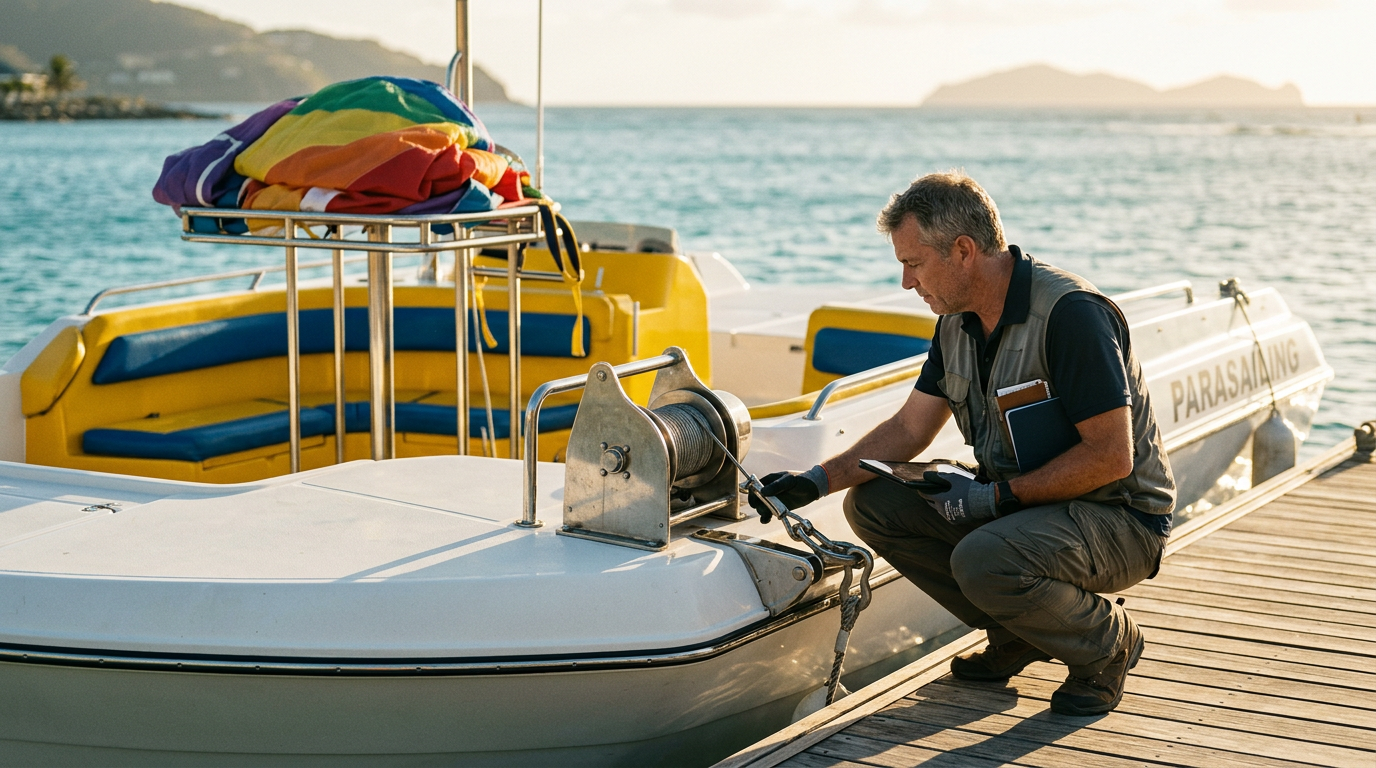
Best Parasailing Boats for Beginners in 2025
Selecting your first vessel is the most consequential step in launching a commercial parasailing operation, directly impacting your safety, efficiency,…
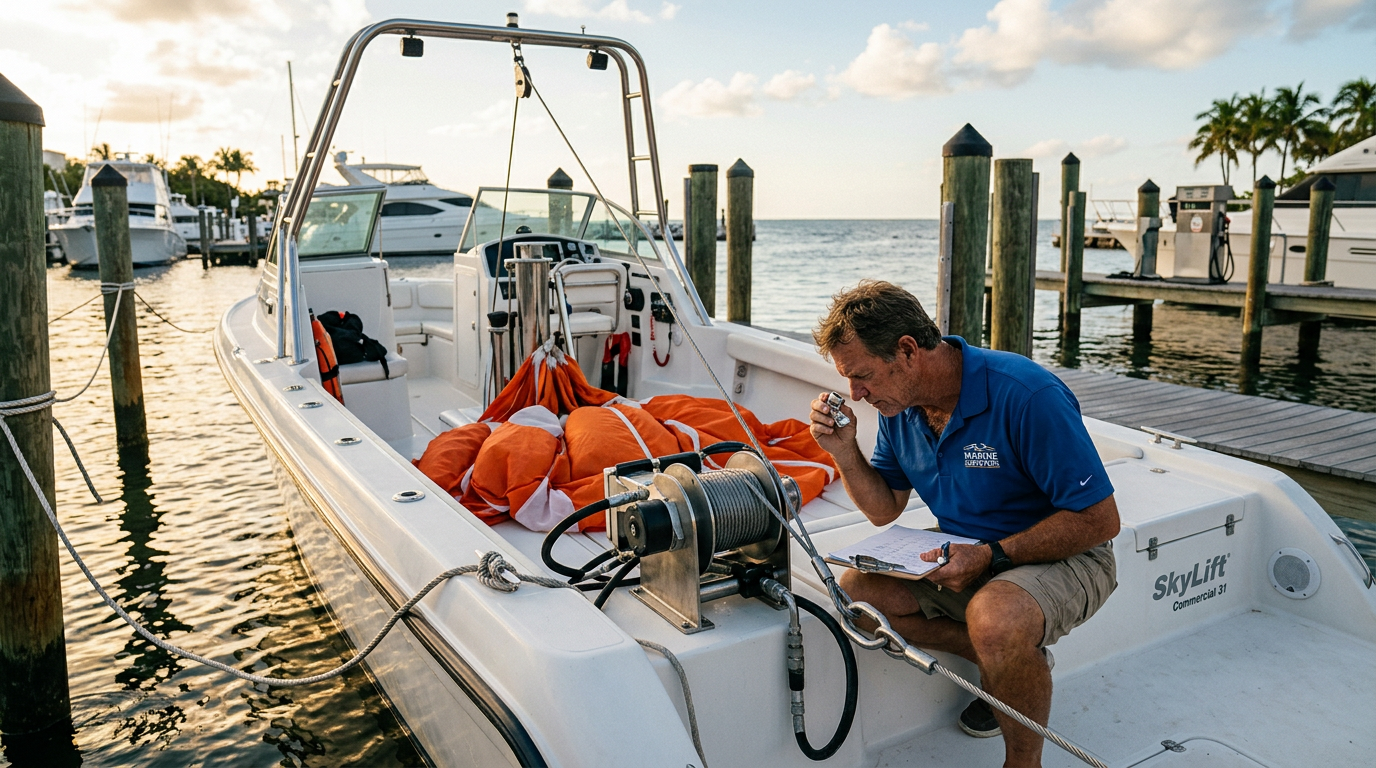
Buying Your First Parasail Boat: A 2025 Guide
Taking the helm as an owneroperator after years as a hired captain is a landmark achievement in the commercial watersports industry. The single most imp…
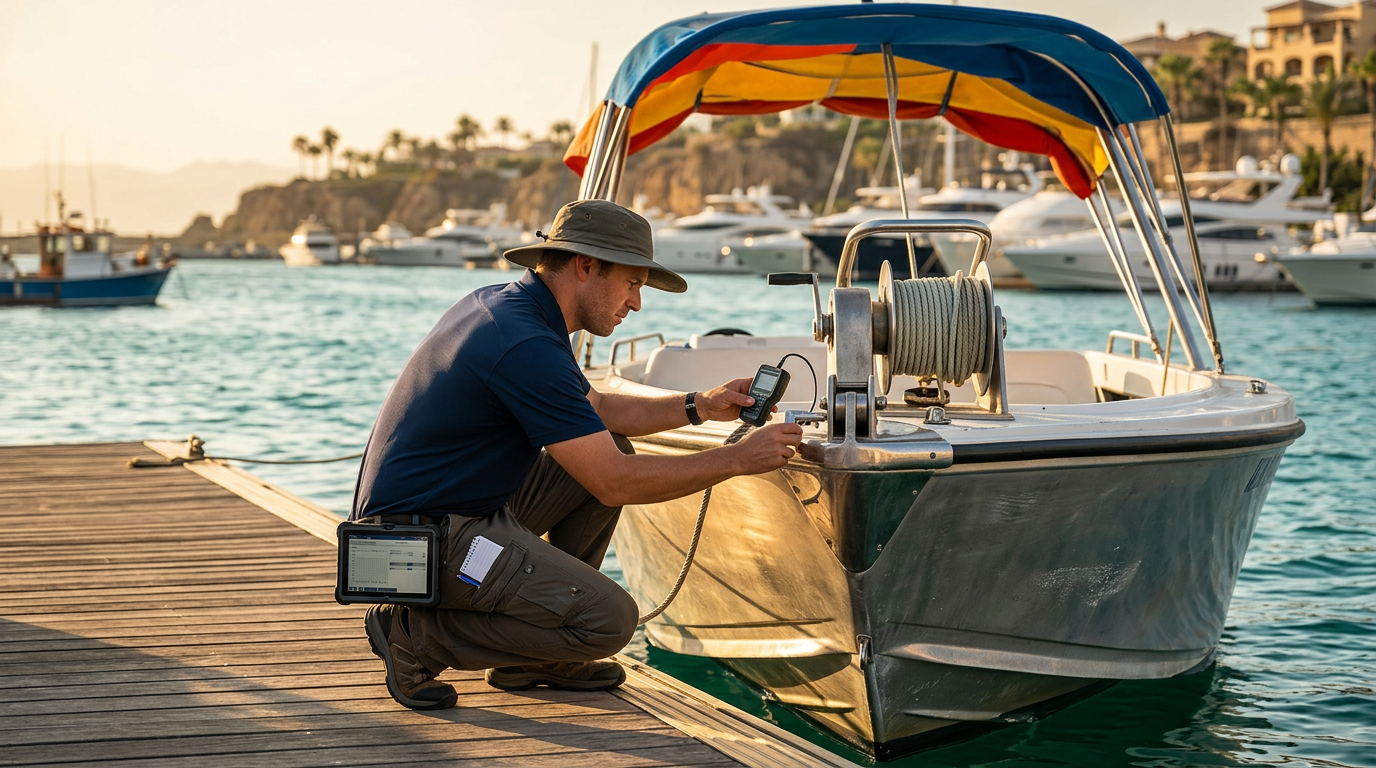
How Much Does a Parasailing Boat Cost? Complete Price Guide
Determining the true parasailing boat cost is the most significant financial calculation for any commercial watersports operator. More than just a vesse…