Buying Your First Parasail Boat: A 2025 Guide
Taking the helm as an owneroperator after years as a hired captain is a landmark achievement in the commercial watersports industry. The single most imp…
Taking the helm as an owner-operator after years as a hired captain is a landmark achievement in the commercial watersports industry. The single most important investment you will make in this transition is buying your first parasail boat, a decision that will directly shape your operational efficiency, safety record, and profitability for years to come. This vessel isn't just a tool; it's the floating headquarters of your entire business, and choosing wisely is paramount.
New vs. Used: The First Major Crossroads
Your first decision point is whether to invest in a brand-new vessel or a seasoned, pre-owned boat. Both paths have significant financial and operational implications.
The Case for a New Parasail Boat
Buying new offers peace of mind and the latest technology. Manufacturers like CWS (Commercial Water Sports) and Ocean Pro Marine are the current industry leaders, delivering turn-key vessels built to the latest USCG and Watersports Industry Association (WSIA) standards.
- Pros:
- Full Warranty: Comprehensive coverage on the hull, engine, and winch system reduces unexpected repair costs in the critical first years.
- Modern Technology: Equipped with the most efficient engines, advanced hydraulic winches, and contemporary safety features.
- Customization: You can often spec the boat to your exact needs, from engine choice and electronics packages to upholstery colors.
- Financing: Lenders are typically more willing to finance a new commercial vessel with favorable terms.
- Cons:
- High Initial Cost: Expect to pay anywhere from $180,000 to over $300,000 for a new, fully-equipped boat.
- Depreciation: Like any new vehicle, a significant portion of its value is lost the moment it hits the water.
The Argument for a Used Parasail Boat
A used boat can be an attractive entry point, allowing you to allocate more capital to other startup costs like insurance, marketing, and equipment. The used market is active, with boats often becoming available as established operators upgrade their fleets.
- Pros:
- Lower Upfront Cost: A well-maintained, 5-10 year old boat can often be purchased for $70,000 to $150,000.
- Proven Platform: The boat has a track record, and its quirks and performance characteristics are already known.
- Cons:
- Risk of Hidden Issues: Wear and tear on the engine, winch, and fiberglass structure can lead to costly surprise repairs.
- Increased Maintenance: Older systems will require more attention and preventative maintenance.
- Outdated Systems: May lack the fuel efficiency or advanced safety features of newer models.
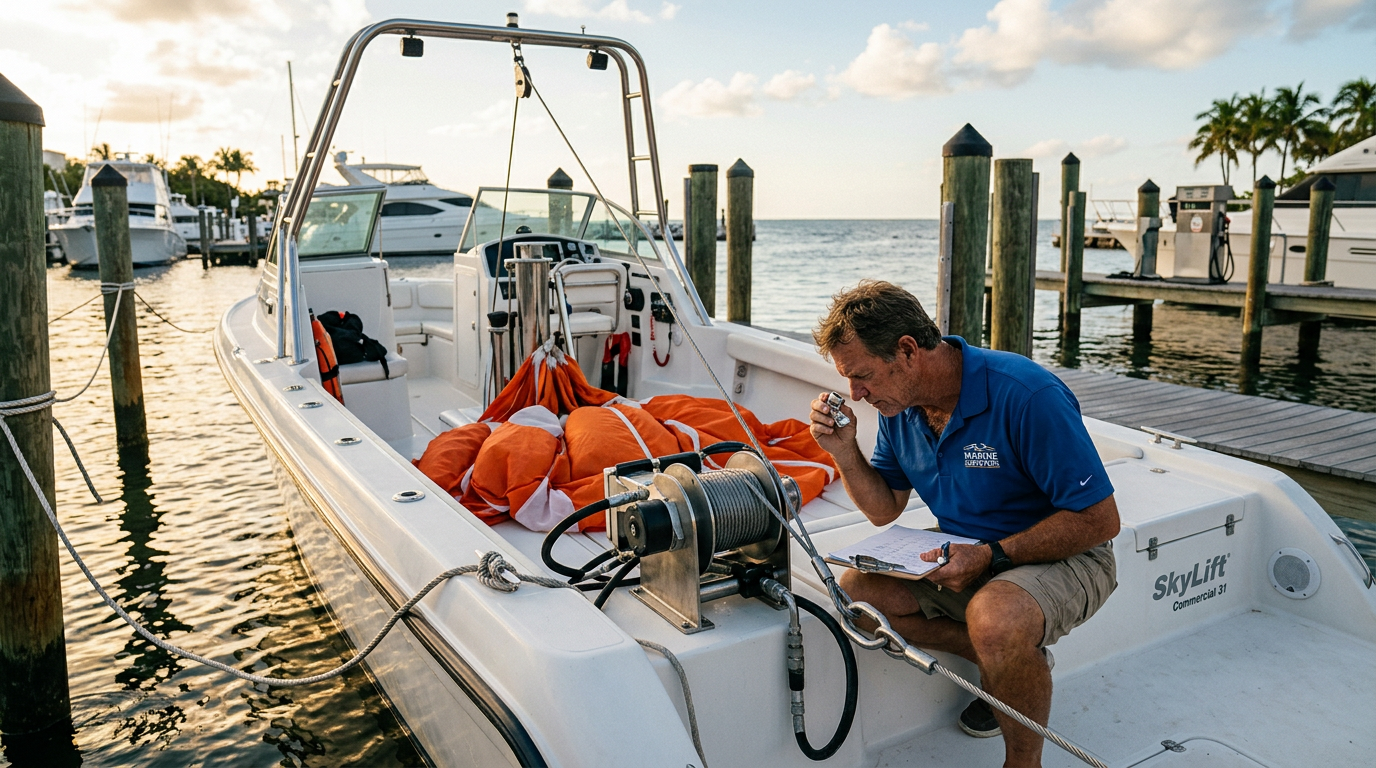
Crucially, never purchase a used commercial vessel without a thorough marine survey conducted by a surveyor experienced with parasail boats. They will inspect the hull, engine, electrical systems, and the all-important winch and drivetrain, providing a detailed report that can save you from a catastrophic purchase.
The Heart of the Operation: Powertrain Choices
The engine and drive system are the workhorses of your operation. The debate between diesel and gasoline power is ongoing, with clear advantages to each.
Diesel vs. Gasoline
Your choice here impacts daily fuel costs, maintenance schedules, and the boat's overall performance.
-
Diesel (Inboard): The industry standard for a reason. V-drive diesel engines from manufacturers like Yanmar and Volvo Penta are favored by most high-volume operators.
- Benefits: Superior torque for getting heavy chutes airborne, significantly better fuel economy under load, longer engine lifespan (often 10,000+ hours with proper care), and less volatile fuel.
- Drawbacks: Higher initial purchase price and more expensive replacement parts.
-
Gasoline (Inboard): Often found in older boats or those from manufacturers with a background in ski/wake vessels, like Centurion.
- Benefits: Lower upfront cost for the engine and simpler, less expensive routine maintenance.
- Drawbacks: Substantially higher fuel consumption, shorter operational lifespan under the stress of commercial use, and more flammable fuel vapors present a higher safety risk.
For a new operation focused on long-term profitability and reliability, a diesel engine is almost always the recommended choice, despite the higher initial investment.
Key Design & Equipment Features
A parasail boat is a highly specialized piece of equipment. Beyond the hull and engine, several components are critical for safe and efficient operation.
- The Winch System: This is arguably the most vital component for safety. A commercial-grade hydraulic winch with a level-wind mechanism (to ensure the line spools evenly) is non-negotiable. The control station must offer clear sightlines to the flight deck and the parasailer.
- Flight Deck: The rear platform must be large, unobstructed, and finished with a non-slip surface. This is your launch and landing pad, and its design directly impacts crew safety and efficiency.
- USCG Certification: For carrying more than six paying passengers, your vessel must have a Certificate of Inspection (COI) from the U.S. Coast Guard. Reputable manufacturers build their boats "to USCG specification" to streamline this process. Attempting to bring a non-compliant boat into compliance is an expensive and frustrating endeavor. Always prioritize boats that are already certified or built to spec by a known manufacturer.
- Passenger Capacity: Most modern parasail boats are certified for 12 passengers plus 2-3 crew. This capacity is key to maximizing revenue per trip.
Top Parasail Boat Manufacturers
While the market has seen brands come and go, a few names consistently dominate the industry. When shopping, you will primarily encounter these manufacturers.
| Manufacturer | Key Models | Primary Power | Market Position & Notes |
|---|---|---|---|
| CWS (Commercial Water Sports) | CWS 31', CWS 34' | Diesel (Yanmar) | The undisputed market leader in the US. Known for turn-key, reliable boats with integrated systems. They set the industry standard. Considered a top-tier, premium choice. |
| Ocean Pro Marine | Ocean Pro 31', Ocean Pro 35' | Diesel (Yanmar) | A very strong competitor to CWS, known for robust construction and high-quality finishes. Often considered a direct equivalent in terms of quality and price. |
| Waterbird | Waterbird 9m, 10m | Diesel | A UK-based manufacturer with a global presence. Their boats are well-regarded for performance and build quality and can be found on the US used market. |
| Used Market Finds | Falcon Parasail, etc. | Gas or Diesel | Older boats from brands like Centurion (Falcon) or other custom builders. These require extra scrutiny but can be a budget-friendly option if a thorough survey checks out. |
Frequently Asked Questions
How much should I budget for a new parasail boat in 2025?
For a new, turn-key diesel-powered boat from a top manufacturer like CWS or Ocean Pro, expect a price range of $180,000 to over $300,000, depending on the size, engine, and options you select.
What license is required to operate a parasail boat?
To carry more than six paying passengers in the US, the captain must hold a USCG Master Captain's License of appropriate tonnage (typically 25, 50, or 100-ton). Additionally, most insurance providers and best practices (highly recommended by the WSIA and PAPO) require specific parasail operator certification.
Is a diesel engine worth the extra cost?
For a commercial operation, yes. The long-term fuel savings, higher torque for safer flights, and vastly superior engine longevity make the initial higher cost a wise investment that pays for itself over the life of the boat.
Where is the best place to find a used parasail boat?
Operators in high-traffic tourist areas like Florida, Hawaii, and Southern California frequently upgrade their fleets, making these good regions to search. However, be aware that these boats have worked hard in saltwater environments. A boat from a freshwater location like Lake George or Lake of the Ozarks might have less corrosion but could have high engine hours. A professional survey is essential regardless of origin.
Bottom Line
Buying your first parasail boat is the foundational step in building a successful commercial watersports business. This vessel is your primary asset, your workplace, and a direct reflection of your brand's commitment to safety and quality. Prioritize a boat from a reputable manufacturer with a reliable diesel engine and a USCG certification. Whether you choose new or used, conduct exhaustive due diligence and invest in a comprehensive marine survey. Your future profitability and peace of mind depend on it.
Was this helpful?
Written by
Editorial Team
Related articles
Best Parasailing Boats for Beginners in 2025
Selecting your first vessel is the most consequential step in launching a commercial parasailing operation, directly impacting your safety, efficiency,…
How Much Does a Parasailing Boat Cost? Complete Price Guide
Determining the true parasailing boat cost is the most significant financial calculation for any commercial watersports operator. More than just a vesse…
The Used Parasail Boat Inspection Checklist
A gleaming, preowned parasail boat can seem like a shortcut to profitability, but a bargain price can quickly evaporate into a sea of unforeseen repairs…