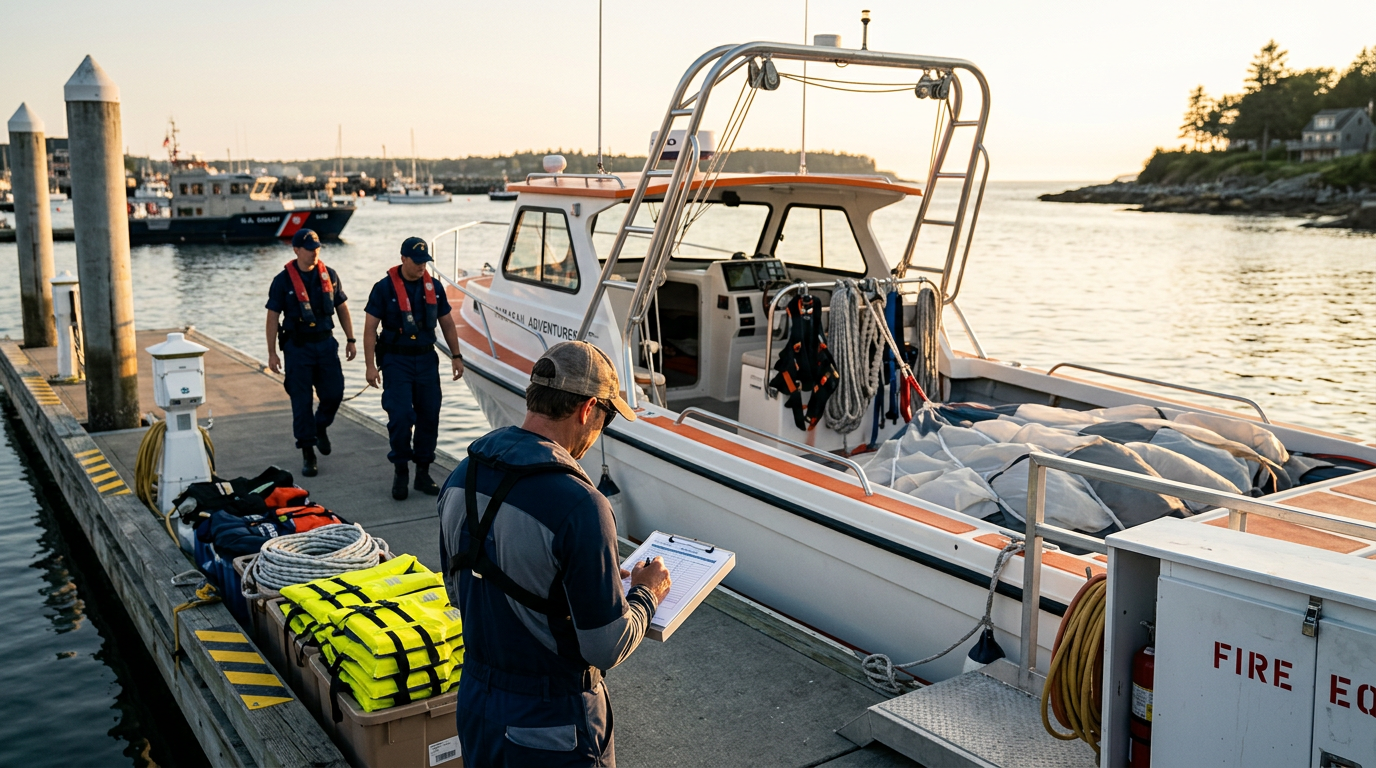
WSIA Certification: Everything You Need to Know
For a professional parasail operator, ensuring passenger safety while managing a profitable business is the ultimate balancing act. Achieving a WSIA cer…
For a professional parasail operator, ensuring passenger safety while managing a profitable business is the ultimate balancing act. Achieving a WSIA certification is not merely an optional credential; it is the industry’s gold standard for demonstrating competence, professionalism, and an unwavering commitment to risk management. This guide breaks down what the certification entails, why it's essential for your operation, and the exact steps to earn it.
What is WSIA Certification?
The Water Sports Industry Association (WSIA) is the leading trade organization for the watersports industry. For decades, it has been at the forefront of developing safety standards, educating participants, and representing the interests of manufacturers and operators. The WSIA Parasail Operator Certification is a formal training and assessment program designed to create a consistent, high standard of safety and professionalism across the industry.
Developed in close cooperation with the U.S. Coast Guard (USCG) and seasoned industry veterans, the program goes beyond basic boat-driving skills. It's a comprehensive curriculum covering the specific knowledge and practical abilities required to run a safe parasail operation. This includes everything from equipment inspection and weather analysis to emergency procedures and crew management. Holding this certification signals to insurers, regulators, and customers that you operate at the highest level of professional conduct.
Why WSIA Certification is the Industry Standard
Pursuing certification is an investment in your business's longevity and reputation. The benefits are tangible and far-reaching, directly impacting your bottom line and operational resilience.
Enhanced Safety and Risk Management
The core of the WSIA program is accident prevention. The curriculum is built on decades of incident data and best practices refined by the industry's most experienced operators. Certified operators are trained to:
- Conduct Thorough Pre-Flight Inspections: Systematically check the boat, winch system (like a CWS or Ocean Pro Marine winch), harnesses, line, and canopy before the first flight of the day.
- Master Weather Assessment: Understand how to read marine forecasts, identify signs of approaching squalls or dangerous wind shear, and make decisive "go/no-go" decisions.
- Implement Standard Operating Procedures: Follow established protocols for every phase of flight, from takeoff and landing on the boat's flight deck to communicating effectively with the crew and passengers.
- Execute Emergency Drills: Practice responses to critical scenarios like winch failure, engine trouble, sudden weather changes, or medical emergencies.
Insurance and Liability Benefits
In today's litigious environment, insurance is one of the largest operational expenses for a parasail business. Underwriters view WSIA-certified operators far more favorably because they represent a significantly lower risk. Many marine insurance providers offer substantial premium discounts to certified operators, and some may even make it a prerequisite for coverage. In the event of an incident, being able to demonstrate that your captain holds the industry's highest certification and follows its protocols can be a critical factor in limiting liability.
Regulatory Compliance
While the USCG has not mandated a federal parasail operator license, it officially recognizes the WSIA certification program as the definitive industry standard. Furthermore, states with specific parasailing legislation, such as Florida's "White-Miskell Act," have requirements that align directly with WSIA standards (e.g., weather limitations, equipment maintenance logs). Holding a WSIA certification ensures you are meeting, and often exceeding, state and local regulatory requirements, simplifying compliance and inspections.
The Path to Certification: A Step-by-Step Guide
Earning your WSIA Parasail Operator Certification is a structured process designed to verify both knowledge and practical skill.
- Meet the Prerequisites: Before enrolling, candidates must meet baseline requirements. This typically includes being at least 18 years of age, holding a current USCG Captain's License (OUPV or Master), and having proof of current CPR and First Aid certification.
- Enroll in a WSIA Parasail Operator Course: These intensive courses are typically held over two days and are led by WSIA-approved instructors. The cost generally ranges from $800 to $1,200 per candidate.
- Complete the Classroom Module: The first part of the course is a deep dive into the theoretical aspects of parasailing. Topics include equipment standards, line and canopy science, weather dynamics, risk assessment, crew responsibilities, and USCG regulations.
- Pass the Written Examination: At the conclusion of the classroom portion, you must pass a comprehensive written test. The exam covers all topics from the manual and classroom instruction, requiring a thorough understanding of the material.
- Demonstrate Practical Skills: The second phase is a hands-on, on-the-water assessment. An instructor will observe you commanding a parasail vessel (such as a CWS Ocean Pro 31' or 35') and evaluate your ability to:
- Properly brief passengers and crew.
- Handle the vessel with precision during flight operations.
- Operate the winch system smoothly and safely.
- Communicate clearly with your spotter/mate.
- Simulate and respond to various emergency scenarios.
- Receive and Maintain Your Certification: Upon successful completion of both the written and practical exams, you will be awarded your WSIA Parasail Operator Certification. The certification is typically valid for three years, after which a refresher course or recertification process is required to ensure your knowledge and skills remain current.
WSIA vs. PAPO: Understanding the Landscape
Newer operators are sometimes confused about the difference between the WSIA and the Professional Association of Parasail Operators (PAPO). While both are dedicated to safety, they serve different primary functions. The table below clarifies their roles.
| Feature | WSIA Certification | PAPO Standards |
|---|---|---|
| Primary Focus | Operator training, competency assessment, and standardized risk management protocols. | Equipment manufacturing standards, operational best practices, and industry advocacy. |
| Output | A formal certification for individual captains based on a course and exams. | A consensus-based set of standards for equipment strength, design, and maintenance. |
| Recognition | Recognized by the USCG, insurance underwriters, and state regulators as the standard for operator competency. | Highly respected within the industry and by manufacturers; its standards are often adopted into WSIA training. |
| Relationship | The two are complementary. A WSIA-certified operator should be using equipment that meets or exceeds PAPO standards. | PAPO's work on equipment safety provides the foundation for much of the training curriculum delivered by the WSIA. |
In short: PAPO helps ensure the gear is safe; the WSIA helps ensure the person using the gear is safe. A truly professional operation embraces the principles of both.
Frequently Asked Questions
Is WSIA certification legally required to operate a parasail boat in the United States?
No, there is no federal law mandating WSIA certification. However, some states (like Florida) have laws that mirror WSIA standards. More importantly, many insurance companies require it as a condition of coverage, and local ordinances may also mandate it. For all practical purposes, it is the required professional standard.
How long is the certification valid and what is required for renewal?
The WSIA Parasail Operator Certification is valid for three years. To renew, operators typically need to complete a recertification course, which serves as a refresher on standards and covers any new developments in safety or regulations.
Can my entire crew get certified?
The primary certification is for the vessel's Captain—the person ultimately in command. However, the WSIA also offers a Crew/Mate certification course. Having your entire crew trained and certified demonstrates an exceptional commitment to safety and operational excellence, which can further benefit your insurance standing and marketing.
What happens if I fail the written or practical exam?
The WSIA has policies for re-testing. Typically, a candidate who fails one portion of the exam may be able to retake it after a designated waiting and study period. Specifics are at the discretion of the instructor and WSIA policy at the time.
Bottom Line
In the commercial parasailing industry, your reputation is built one safe flight at a time. The WSIA certification is more than just a certificate to hang on the wall; it's a foundational element of a modern, professional, and defensible operation. It provides a clear framework for managing risk, streamlines regulatory compliance, reduces insurance costs, and builds the customer confidence necessary for long-term success. For any operator serious about their craft and their business, it is an essential investment.
Was this helpful?
Written by
Editorial Team
Related articles
USCG Certifications for Parasail Operators
For passengers, parasailing is a breathtaking view from 500 feet. For the professional on the deck, it's a complex marine operation where safety and com…
PAPO Certification Explained
For professional parasail operators, ensuring the highest standards of safety and operational excellence isn't just good practice—it's the bedrock of a…
International Parasail Certifications
Expanding your parasail operation beyond US borders presents a thrilling business opportunity, but successfully navigating the complex web…