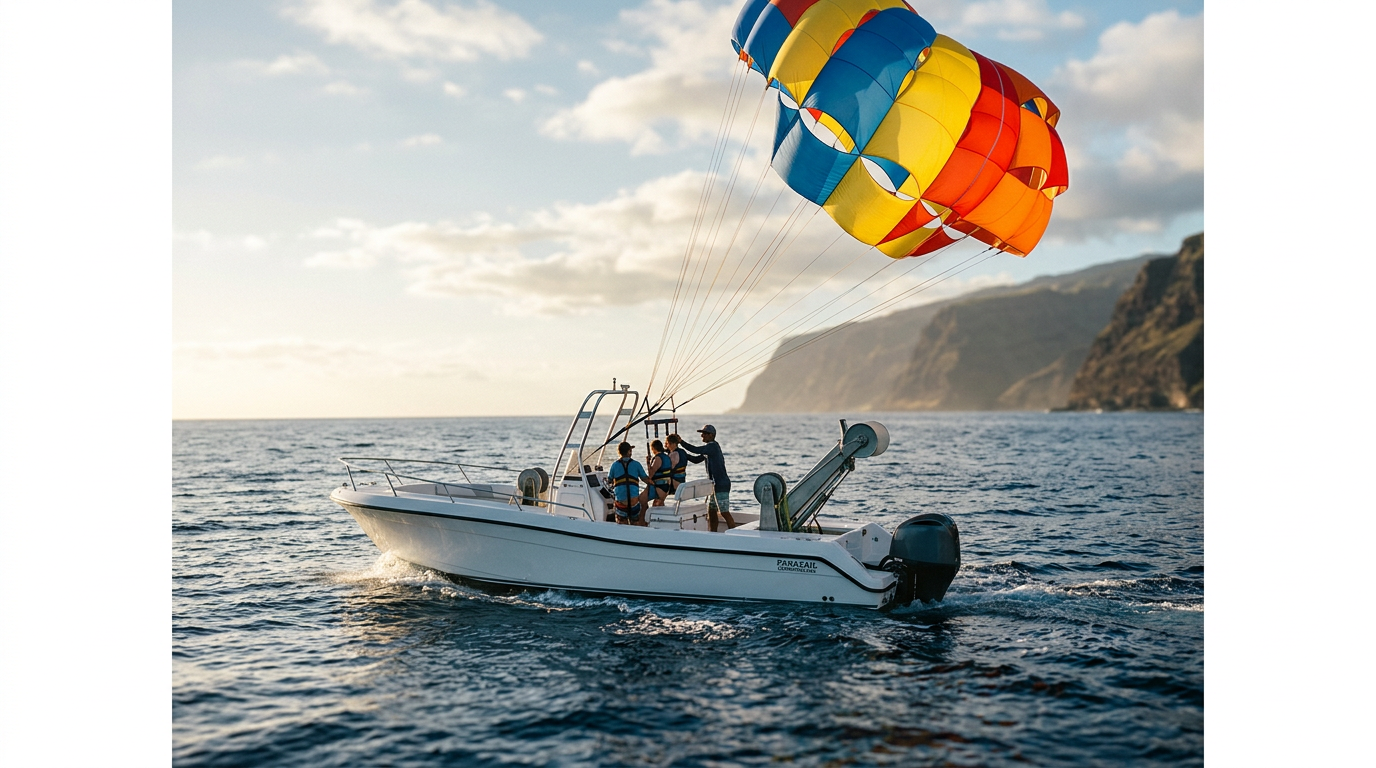
Top 10 Parasailing Boat Manufacturers Worldwide
Choosing the right vessel is the single most important decision and capital investment for any commercial parasail operator. The quality, design, and re…
Choosing the right vessel is the single most important decision and capital investment for any commercial parasail operator. The quality, design, and reliability of your boat directly impact safety, passenger comfort, and ultimately, your bottom line. To navigate this critical purchase, it's essential to partner with one of the top parasailing boat manufacturers known for their engineering prowess and deep understanding of the industry's unique demands.
A purpose-built parasail boat is not merely a powerboat with a winch bolted on; it is a highly specialized piece of commercial equipment. Key design elements include a stable, deep-V hull for handling coastal chop, a powerful and reliable engine, and an integrated hydraulic winch system with a dedicated launch and recovery platform. Reputable builders ensure their vessels meet or exceed U.S. Coast Guard (USCG) standards for commercial passenger vessels, a crucial factor for legal operation and insurance in the United States.
Evaluating Top Tier Manufacturers
The best manufacturers distinguish themselves through superior build quality, innovative safety features, and exceptional after-sales support. They understand that a parasail boat is a workhorse that operates for long hours, day after day, and they build their products accordingly. Below, we profile the ten leading manufacturers that consistently deliver the performance and durability required for a successful parasailing operation.
1. Commercial Water Sports (CWS)
Based in the USA, CWS is arguably one of the most recognized and respected names in the parasail industry. Their boats are a common sight in tourist hotspots from Florida to Hawaii. CWS is known for using the proven hull of Centurion boats, which they heavily modify for parasailing.
- Flagship Models: CWS 31 and CWS 33
- Power: Primarily powered by a single inboard diesel engine, with Volvo Penta being a very popular and reliable choice. This setup offers tremendous torque for pulling chutes and is generally more fuel-efficient for all-day operations.
- Key Features: CWS boats are renowned for their integrated design. The winch system, flight deck, and hull are engineered to work together seamlessly. They feature excellent weight distribution, providing a very stable platform for takeoffs and landings, even in less-than-ideal conditions.
2. Ocean Pro Marine
Ocean Pro is another dominant force with a global presence, building boats in both the US and Europe. They are known for their robust construction and offer a wider range of customization options compared to some competitors.
- Flagship Models: Ocean Pro 31, Ocean Pro 35
- Power: Ocean Pro offers significant flexibility in power plants. While single inboard diesels are common, they also build many vessels with twin outboard configurations, often using powerful Yamaha or Mercury engines. This can offer redundancy and easier maintenance for some operators.
- Key Features: Versatility is Ocean Pro's hallmark. They work closely with clients to tailor layouts, seating arrangements, and even engine choices to specific operational needs and local water conditions. Their 35-foot model provides extra space and stability, making it ideal for high-volume operations or rougher seas.
3. Waterbird Parakites & Mach I
Waterbird is a UK-based company with a long history, not just in boats but in the entire parasailing equipment ecosystem, including chutes and harnesses. They offer turnkey solutions, making them a popular choice for new operators looking for a complete, integrated package.
- Flagship Model: The Apache Series
- Power: Often configured with single or twin outboards, providing a good balance of performance and maintenance simplicity.
- Key Features: Waterbird focuses on creating a complete, matched system. Buying a Waterbird boat often means you're getting a vessel designed to work perfectly with their own winch and parachute systems. Their packages are often seen as a cost-effective way to enter the market with reliable, purpose-built gear.
4. Alesta Marine
Hailing from Turkey, Alesta Marine has become a major player in the European, Middle Eastern, and increasingly, the global market. They are known for their modern designs and high-quality finishes, bringing a touch of yacht-like aesthetics to the commercial parasail world.
- Flagship Models: Alesta 32, Alesta 34
- Power: Typically utilizes single inboard diesel power from manufacturers like Volvo Penta or Yanmar.
- Key Features: Alesta boats stand out with their sleek lines and contemporary design. They offer spacious, comfortable seating for passengers and an ergonomic helm station for the captain. Their build quality is excellent, competing directly with the top US manufacturers.
5. Corsario Parasailing Boats
Another prominent Turkish builder, Corsario leverages the country's rich boat-building heritage. They produce robust and reliable vessels that are gaining popularity in the Mediterranean and beyond.
- Flagship Model: Corsario 32
- Power: Inboard diesel engines are the standard for their reliable, high-torque performance.
- Key Features: Corsario focuses on a strong, no-nonsense build philosophy. Their boats are designed to be durable workhorses with deep-V hulls capable of handling choppy seas. They offer a good balance of performance, durability, and price.
6. New England Boatworks (NEB)
While NEB is a renowned custom boat builder known for high-end yachts and commercial vessels, they have also produced exceptional custom parasail boats. They are not a volume producer but represent the pinnacle of custom craftsmanship.
- Key Features: An operator approaching NEB is typically looking for a truly bespoke vessel. This could involve unique hull materials (like composite infusion), specific layout requirements for a unique operational area, or integration of advanced marine electronics. This is a premium option for discerning, experienced operators.
7. Parasail Pro
Parasail Pro is a US-based manufacturer that has carved out a niche with its distinct designs, often featuring a center console layout. This provides 360-degree access around the boat, which some captains prefer.
- Power: Often seen with twin outboard power, which appeals to operators who prioritize speed and ease of engine replacement.
- Key Features: The center console design is their main differentiator. This can improve the captain's visibility and handling in tight quarters. They focus on building rugged, functional boats for the demanding American market.
8. Custom Chutes Inc.
Based in Florida, Custom Chutes is a well-known name for parasails, but like Waterbird, they also ventured into boat manufacturing with their "Ocean Wolf" line. Their deep roots in the industry give them a strong understanding of an operator's needs.
- Flagship Model: Ocean Wolf 33
- Power: Typically uses single inboard diesel power.
- Key Features: As a company that started with chutes, their focus is on the total safety system. They offer a fully integrated package designed for maximum reliability and compliance with professional standards from organizations like the WSIA (Water Sports Industry Association) and PAPO (Professional Association of Parasail Operators).
9. Asis Boats
Asis is a manufacturer of professional-grade Rigid Inflatable Boats (RIBs). While not a traditional hard-sided builder, they produce specialized parasailing RIBs that are popular in certain markets, particularly for resort operations or where beach launching is common.
- Key Features: The inflatable tubes provide immense stability and act as a natural fender. These boats are lighter, faster, and often more fuel-efficient than their fiberglass counterparts. They offer a different but very viable solution for specific operational contexts.
10. Nautique (via Centurion)
While Nautique itself doesn't market a "Nautique Parasail Boat," their sister company, Centurion, has been the foundation for CWS boats for years. The performance, reliability, and engineering of the Centurion deep-V hull are legendary in water sports, and that DNA is a critical component of what makes the CWS boats so successful. Acknowledging this connection is crucial to understanding the landscape.
Manufacturer Comparison Snapshot
| Manufacturer | Popular Models | Typical Power | Primary Market | Key Differentiator |
|---|---|---|---|---|
| CWS | CWS 31, CWS 33 | Single Inboard Diesel (Volvo) | USA / Global | Integrated Centurion hull, industry standard |
| Ocean Pro Marine | OP 31, OP 35 | Diesel Inboard / Twin Outboard | Global | High degree of customization, versatile |
| Waterbird | Apache Series | Twin Outboard | UK / Europe | Complete turnkey equipment packages |
| Alesta Marine | Alesta 32/34 | Single Inboard Diesel | Europe / ME | Modern aesthetics and high-end finish |
Frequently Asked Questions
What's the difference between diesel inboard and gas outboards for parasailing?
Diesel inboards, like those from Volvo Penta, are the industry standard for high-volume operations. They produce massive torque at low RPMs, ideal for pulling a chute with a full payload, and are more fuel-efficient over a long day. Twin gas outboards (from Yamaha, Mercury, etc.) offer redundancy, higher top speeds, and often simpler/cheaper engine replacement, but can have higher fuel and maintenance costs.
How important is USCG certification for a parasail boat?
In the United States, it is legally mandatory. Any vessel carrying more than six paying passengers must have a Certificate of Inspection (COI) from the U.S. Coast Guard. Reputable manufacturers build their boats to meet or exceed these stringent safety, construction, and equipment standards from the keel up. Operating without one is illegal and voids insurance.
What is a typical lifespan for a commercial parasail boat?
With proper maintenance, a well-built fiberglass parasail boat from a top manufacturer can have a service life of 15-20 years or more. The engine and winch system will typically require major overhauls or replacement sooner, often in the 4,000-8,000 operating hour range, depending on use and maintenance.
What role do WSIA and PAPO play in boat manufacturing?
The Water Sports Industry Association (WSIA) and the Professional Association of Parasail Operators (PAPO) are key industry bodies that set operational and equipment standards. While they don't certify boats themselves, manufacturers design their vessels to align with these standards, particularly regarding winch systems, line handling, and onboard safety equipment. Adherence signals a manufacturer's commitment to safety.
Bottom Line
Your parasail boat is the heart of your business and your most significant asset. Investing in a vessel from a proven, reputable manufacturer is not an expense; it's a strategic decision that pays dividends in safety, reliability, customer satisfaction, and long-term profitability. Thoroughly research each builder, consider your specific operating environment, and choose a partner who understands the unique rigors of the commercial parasail industry.
Was this helpful?
Written by
Editorial Team
Related articles
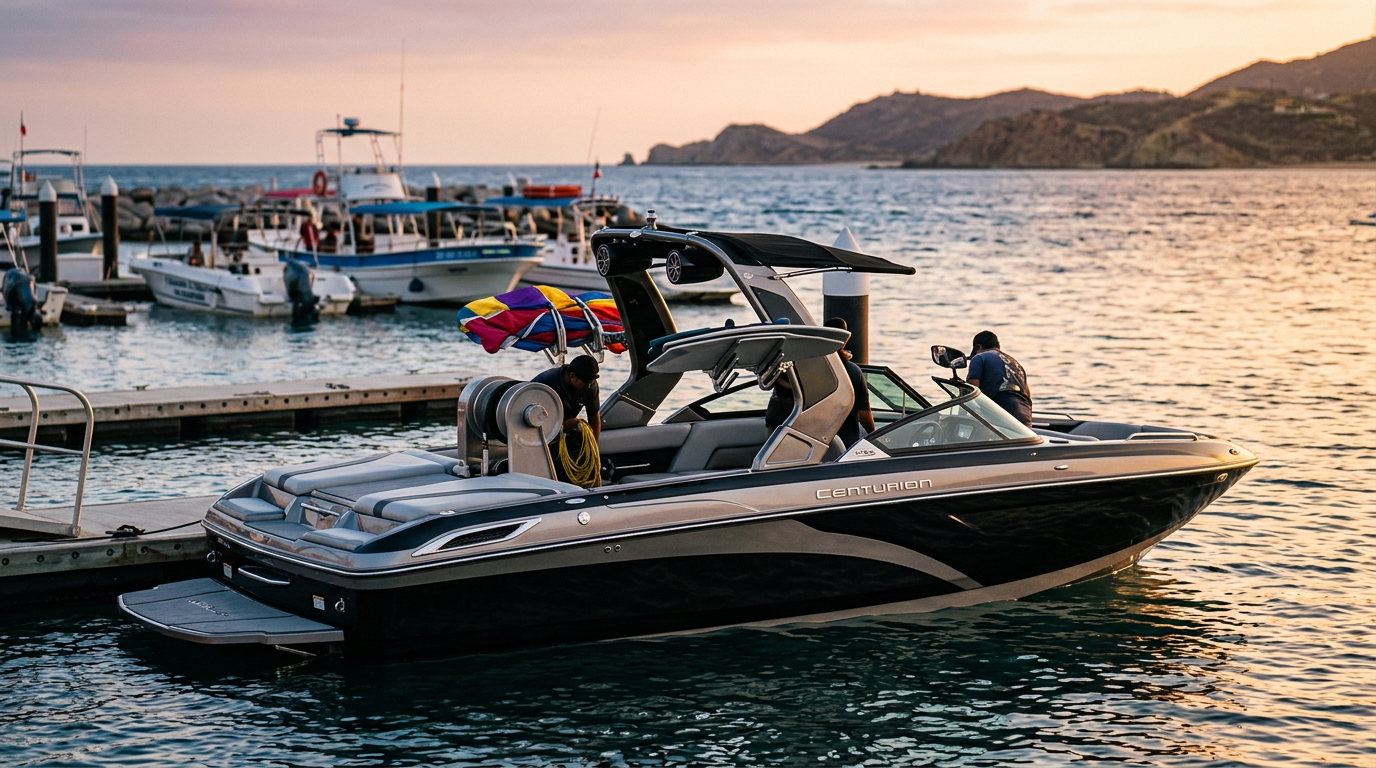
Centurion Boats: A Profile
For commercial parasail operators, the name on the hull is more than a brand; it’s a commitment to safety, a tool for profit, and a symbol of reliabilit…
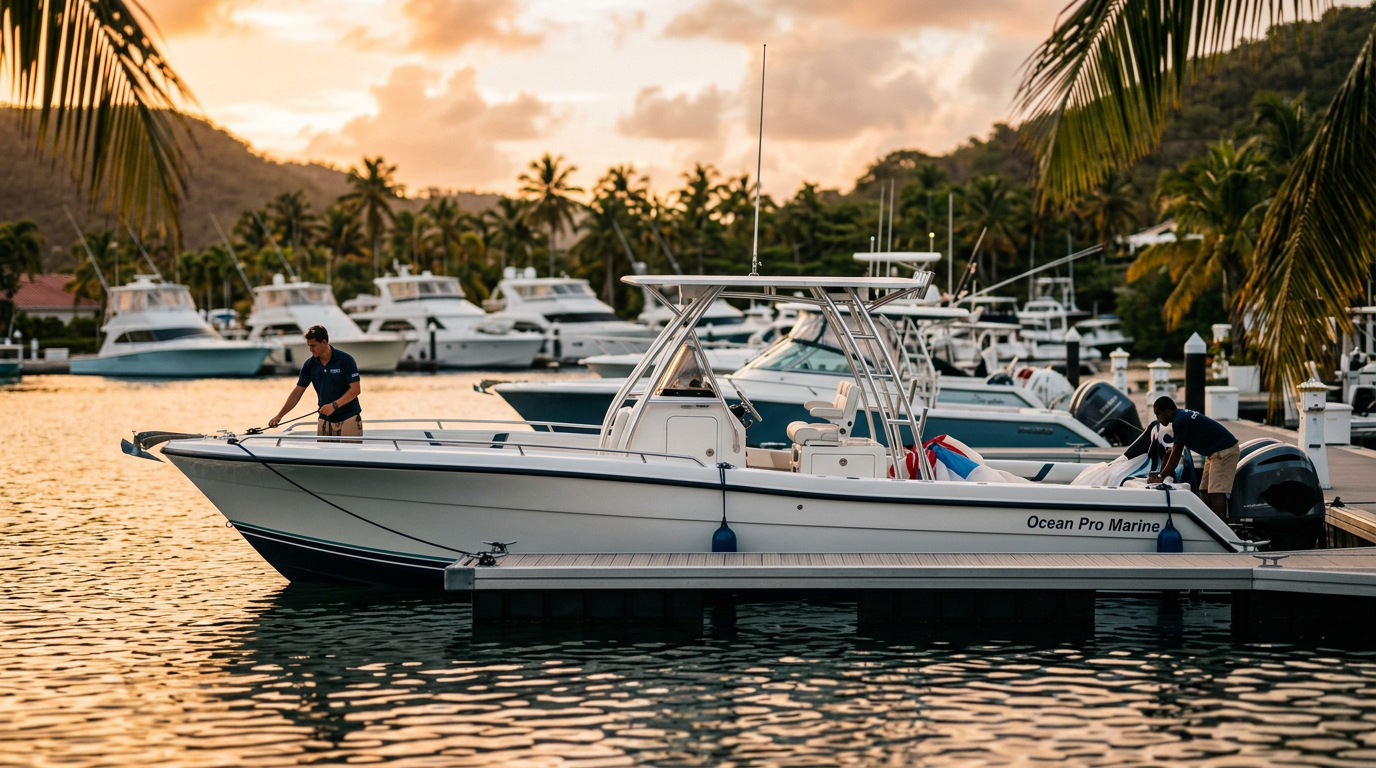
Ocean Pro Marine: Custom-Built Parasail Boats
For professional parasail operators, the boat is the single most important asset, and an offtheshelf model often falls short of specific operational nee…
Emerging Builders in the Asia-Pacific Region
For decades, the commercial parasail boat market has been a familiar landscape, dominated by a handful of established American and European parasail boa…