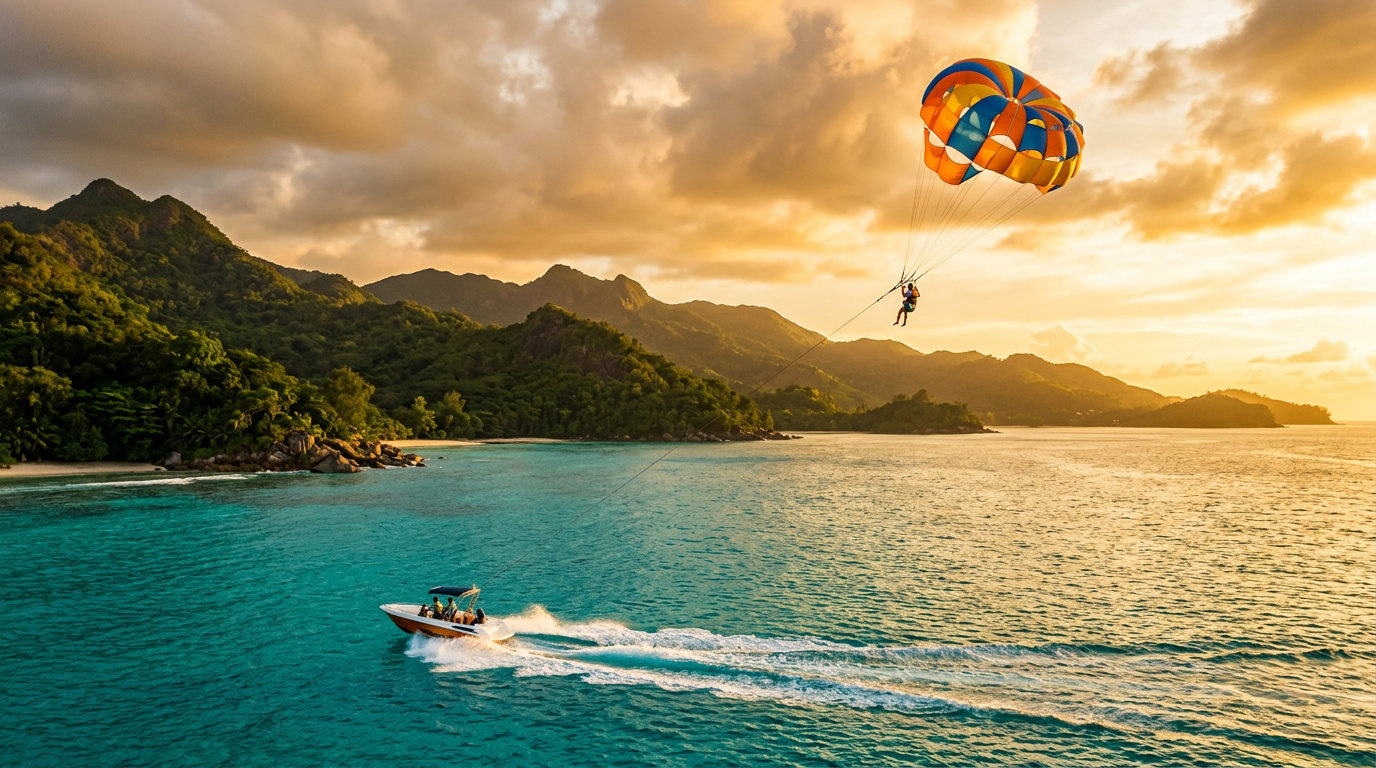
Top Parasail Destinations Around the World
A postcardperfect coastline and a steady stream of tourists are merely the table stakes for success in our industry. For seasoned operators evaluating n…
A postcard-perfect coastline and a steady stream of tourists are merely the table stakes for success in our industry. For seasoned operators evaluating new territories, the most profitable and sustainable locations are found by analyzing a much deeper set of operational variables, making the search for the world's top parasail destinations a strategic business decision, not just a change of scenery.
Beyond the View: What Defines a Premier Parasail Location?
Before we fly into specific locations, it's critical to establish the criteria that separate a good spot from a great one from an operator's perspective. The view sells the ticket, but operational fundamentals pay the bills and keep the CWS winch turning.
- Consistent, Favorable Weather: This is non-negotiable. The ideal location boasts a long season of "flyable" days—meaning predictable winds (ideally 5-15 mph), minimal precipitation, and the absence of frequent, sudden squalls. Operators in areas like the Gulf of Mexico must have robust protocols for afternoon thunderstorms, while Pacific Northwest operators contend with a shorter, more condensed season.
- Robust Tourist Economy: You need a steady, reliable flow of customers. This means strong tourism infrastructure, including hotels, resorts, cruise ship terminals, and easy transportation. A location's ability to attract and sustain high foot traffic on the waterfront is paramount.
- Clear and Stable Regulatory Environment: Operating in a "Wild West" environment is a liability, not a feature. Top-tier destinations have clear maritime rules. In the U.S., this means adherence to strict USCG regulations for vessels carrying passengers-for-hire, including regular inspections and captain licensing (OUPV or Master). Internationally, it means dealing with local maritime authorities who have consistent, enforceable standards. Organizations like the WSIA and PAPO provide a framework for best practices that savvy operators follow regardless of location.
- Suitable Water and Airspace: You need a large, open body of water free from excessive hazards like shipping lanes, low bridges, or restricted airspace near airports. Water depth must be sufficient for your vessel's draft, especially for larger diesel boats like a Centurion or Ocean Pro Marine, and the area must allow for a safe flight radius well clear of shore.
- Manageable Competition: While competition indicates a healthy market, market saturation can drive down prices and increase marketing costs. The sweet spot is a location with high demand but room for a professional, safety-conscious operator to stand out.
Domestic Powerhouses: The US Market
The United States offers several world-class parasailing environments, each with a unique operational profile. All are governed by USCG regulations for uninspected passenger vessels (UPVs), demanding high standards for safety equipment, vessel maintenance, and crew licensing.
Florida Keys & Panhandle
The undisputed epicenter of American parasailing. From Key West to Destin, the combination of a nearly year-round season, massive tourist volume (domestic and international), and vibrant water-sports culture creates incredible demand.
- The Upside: Extremely high revenue potential. A well-run operation with a 31-foot or 35-foot boat can run dozens of flights a day. Rates are strong, typically ranging from $85 to $125 per flyer.
- The Challenge: Competition is fierce. You are not just competing on price, but on location, marketing savvy, and reputation. Fuel costs, insurance premiums, and slip fees in prime marinas are among the highest in the country. The USCG has a heavy presence, and enforcement is strict.
South Padre Island, Texas
Known for its legendary Spring Break, SPI offers a more concentrated season with massive peaks in volume. The Laguna Madre provides a vast, shallow bay for operations, offering protection from the open Gulf.
- The Upside: The Spring Break and summer seasons can be exceptionally profitable, with boats running sunrise to sunset. The operational area in the bay is huge.
- The Challenge: Wind is a significant factor. The persistent South Texas winds can ground operations for days. The market is highly seasonal, requiring a business model that can handle a more condensed cash flow period.
Lake Tahoe, California/Nevada
Parasailing on an alpine lake at over 6,000 feet of elevation offers a unique, high-end product. The crystal-clear water and mountain backdrop attract a wealthy clientele willing to pay a premium.
- The Upside: Higher prices. Flights can easily command $125-$175 per person. The clientele is often less price-sensitive and more focused on the unique experience.
- The Challenge: The season is short (typically Memorial Day to Labor Day). Operations are subject to strict environmental regulations from entities like the Tahoe Regional Planning Agency (TRPA), affecting everything from engine choice (often favoring cleaner Yamaha or Mercury outboards) to wastewater. The high altitude also slightly affects engine and canopy performance.
International Hotspots: Global Opportunities
Venturing abroad opens up new markets but requires careful navigation of different legal, cultural, and business landscapes.
Cancún & Riviera Maya, Mexico
This region is an absolute tourism machine, with dozens of massive all-inclusive resorts feeding a constant stream of customers to the water.
- The Upside: Unmatched tourist volume. The sheer number of potential flyers is staggering. Operational costs, particularly labor, can be lower than in the US.
- The Challenge: The regulatory environment is complex, involving federal, state, and municipal permits (SEMARNAT, Capitania de Puerto). Competition is intense and not always operating at the same standard. Operators must build strong local relationships and have a trusted Mexican partner or legal team. Equipment importation and maintenance can also be more difficult.
Phuket, Thailand
As the hub of Southeast Asian tourism, Phuket offers a year-round tropical environment and a massive influx of tourists from Europe, Australia, and Asia.
- The Upside: A 12-month season is possible, though subject to monsoon patterns. High volume of backpackers and resort tourists creates a diverse customer base.
- The Challenge: The market has historically been characterized by low prices and a wide variance in safety standards. A professional, USCG-style operation can stand out but may struggle to compete on price with local, less-regulated outfits. Language barriers and cultural business differences are significant hurdles.
Destination Operational Profile Comparison
| Feature | Florida Keys, USA | Lake Tahoe, USA | Cancún, Mexico |
|---|---|---|---|
| Peak Season | March - October | June - August | December - April |
| Avg. Price/Flyer | $95 - $125 | $125 - $175 | $65 - $90 |
| Regulatory Body | US Coast Guard | USCG, TRPA | Capitania de Puerto |
| Primary Challenge | Intense Competition | Short Season | Bureaucracy & Local Politics |
| Key Advantage | High Volume & Long Season | Premium Pricing | Massive Tourist Flow |
Frequently Asked Questions
Do I need special permits to operate a parasail boat internationally?
Absolutely. You cannot simply show up with a USCG-documented vessel and start operating. Every country has its own maritime authority, business licensing requirements, and immigration laws for foreign workers and owners. Engaging local legal counsel is the non-negotiable first step.
How does the weather in tropical destinations affect equipment life?
The combination of intense UV exposure, high humidity, and saltwater is brutal on equipment. Canopies, lines, and harnesses require more frequent inspection and replacement. Vinyl and upholstery on the boat will degrade faster. For engine systems, particularly on boats with powerful Mercury or Yamaha engines, diligent flushing and corrosion prevention (e.g., Salt-Away) after every use is critical to longevity.
Is freshwater parasailing profitable with a shorter season?
Yes, it can be highly profitable. Operations in places like Lake Tahoe or Lake George, NY, compensate for the shorter season with significantly higher per-flight prices. The business model requires lean off-season overhead and maximizing revenue on every possible flyable day during the peak summer months.
What is the biggest operational challenge in high-volume areas like Florida?
Beyond the intense competition, the biggest challenge is personnel. Finding and retaining qualified, licensed captains and reliable, professional crew in a high-cost-of-living area is a constant battle. Burnout is high during the peak season, so good management and a positive work culture are essential for retaining a top-tier team.
Bottom Line
Identifying a top parasail destination requires looking past the glossy travel photos and analyzing the core operational realities. The most successful operators are those who match their business model, equipment—whether a large diesel inboard or a nimble outboard setup—and risk tolerance to the unique profile of a location. Success is found where consistent tourist traffic, favorable weather, and a stable regulatory environment intersect.
Was this helpful?
Written by
Editorial Team
Related articles
A Day in the Life of a Parasail Captain
The horizon is just beginning to glow when the work starts, long before the first tourist arrives with a camera and SPF 50. For the professional parasai…
The Community Behind the Sport
From the apex of a flight, a thousand feet above the water, the world below looks serene and simplified.
How to Start a Parasailing Business: Boat, License & Costs
A founder's roadmap to start a parasailing business, from license to opening day.