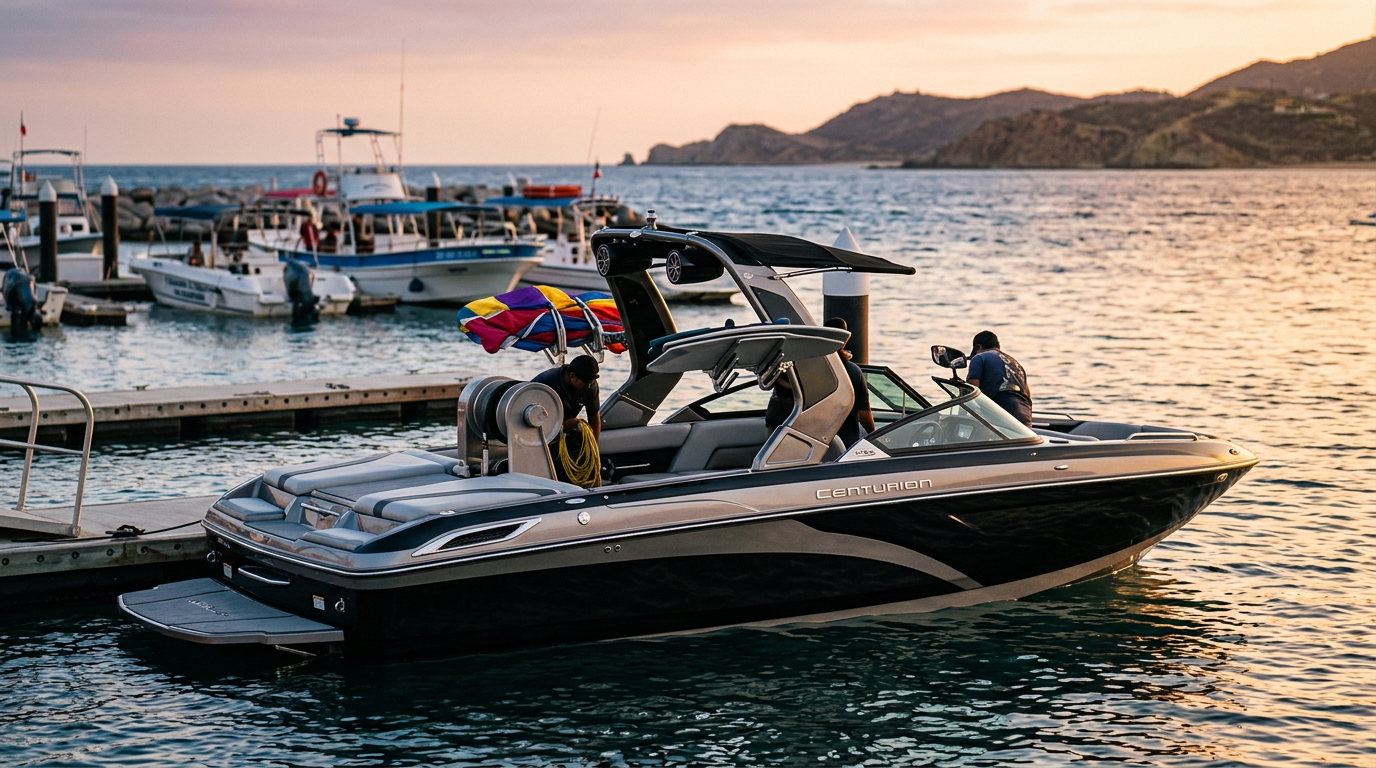
Centurion Boats: A Profile
For commercial parasail operators, the name on the hull is more than a brand; it’s a commitment to safety, a tool for profit, and a symbol of reliabilit…
For commercial parasail operators, the name on the hull is more than a brand; it’s a commitment to safety, a tool for profit, and a symbol of reliability. Among the elite names in the industry, Centurion Boats have carved out a reputation for performance and durability, transitioning their expertise from world-class wakeboats to the demanding world of commercial watersports. Understanding the build philosophy and operational advantages of a Centurion is crucial for any operator looking to invest in a new or upgraded vessel.
A Legacy of Performance
While widely recognized in the recreational market for pioneering wake and surf boats, Centurion's roots in performance hull design provide a strong foundation for their commercial line. Founded in 1976, the company has spent decades refining hull shapes to create specific wakes, a process that requires a deep understanding of hydrodynamics, weight distribution, and power application. This expertise translates directly to the needs of a parasail operation, where stability, predictable handling, and efficient power are paramount.
In 2015, Centurion was acquired by Correct Craft, the parent company of Nautique, PCM Engines, and other major marine brands. This move solidified Centurion’s manufacturing prowess, giving them access to greater resources, streamlined production techniques, and robust supply chains. For a commercial operator, this backing means greater consistency in build quality and better long-term support for parts and service.
The Anatomy of a Centurion Parasail Boat
A purpose-built parasail boat is a highly specialized piece of equipment. Centurion designs their commercial vessels from the keel up to meet the unique stresses and workflow of daily flight operations.
Hull Design and Construction
The foundation of any good parasail boat is its hull. Centurion typically employs a deep-V hull design on their commercial models. This shape is critical for:
- Handling Chop: It allows the bow to slice through waves rather than pounding over them, providing a safer and more comfortable ride for up to 15 passengers.
- Stability: While deep-V hulls can be tender at rest, Centurion balances this with a wide beam (often over 10 feet) and carefully placed ballast, ensuring the boat remains stable as flyers are launched and retrieved and as passengers move around the deck.
- Dry Ride: Flared bows and spray rails are integrated into the design to deflect water away from the cockpit, keeping passengers and crew dry and improving the customer experience.
Construction is all-composite, using hand-laid fiberglass with integrated stringer grids for immense structural rigidity. This robust build is designed to withstand the rigors of thousands of operating hours in a commercial season.
Power and Propulsion
Pulling two or three flyers into the air in a stiff breeze requires significant, reliable power. Centurion offers a range of inboard engine options tailored for this torque-heavy application.
- Engine Brands: Power is typically supplied by industry-leading manufacturers like PCM (a fellow Correct Craft brand), Mercury, or Yamaha, with diesel options from providers like Yanmar also available.
- Horsepower: Gas engine packages generally range from a base of around 350 HP to well over 450 HP. Diesel options offer superior low-end torque and fuel efficiency, a key consideration for high-hour operators, though they come with a higher initial investment.
- Direct Drive: These boats utilize a direct-drive inboard system. This configuration places the engine mid-ship, optimizing weight distribution for better balance and planing performance compared to sterndrives or outboards. The prop and rudder are located directly beneath the hull, providing excellent maneuverability and immediate response to helm inputs.
The Flight Deck: Winch System and Layout
The "money-making" part of the boat is the flight deck. Centurion's layout is engineered for efficiency and safety. The centerpiece is the hydraulic winch and line-handling system, typically sourced from a specialized manufacturer and integrated seamlessly into the boat's structure.
The helm is positioned for maximum visibility, with a clear sightline to the flight deck, the winch operator, and the parasailers in the air. Passenger seating is arranged to be comfortable but also to maintain proper vessel trim. Key layout features include non-skid deck surfaces, ample storage for life vests and safety gear, and a sturdy T-top or arch that houses the parasail launch and retrieval system.
Centurion Commercial Model Overview
While model designations can evolve, Centurion's parasail line is centered on providing a reliable platform around the 31-33 foot mark. The following table outlines the typical specifications for a modern Centurion parasail boat.
| Feature | Centurion CP310 / CP330 (Typical Specs) |
|---|---|
| Length Overall (LOA) | 31' - 33' |
| Beam | Approx. 10' 6" |
| Passenger Capacity | 12-15 passengers, plus 2-3 crew |
| Certification | Built to meet USCG Subchapter T requirements |
| Standard Engine | PCM Gas Inboard (e.g., 6.0L, 400-450 HP) |
| Optional Engine | High-torque Diesel (e.g., Yanmar) |
| Winch System | Hydraulically driven with level-wind |
| Key Features | Deep-V hull, integrated flight deck, extended swim platform, premium marine vinyl, USCG-certified safety equipment package |
These boats are not off-the-shelf models but are built to order, allowing operators to select engine packages, electronics from brands like Garmin or Simrad, and color schemes that match their company branding.
Operational Considerations: Cost, Maintenance, and Compliance
Investing in a Centurion is a significant capital expenditure. A new, well-equipped boat can range from $180,000 to over $275,000, depending on the engine choice and optional features. While the used market offers lower entry points, the condition of the engine, transmission, and winch system must be meticulously inspected.
Maintenance is an ongoing operational cost. The robust construction of a Centurion is designed to minimize downtime, but regular service is non-negotiable. This includes:
- Daily engine and hydraulic system checks.
- Regular oil and fluid changes per the manufacturer's severe-duty schedule.
- Winch line inspection and replacement as mandated by WSIA/PAPO standards.
- Keeping the gel coat and upholstery clean to protect the investment and present a professional image to customers.
From a compliance standpoint, these vessels are designed to meet the stringent requirements of the US Coast Guard for carrying passengers-for-hire. They are inspected and certified to operate under Subchapter T regulations, ensuring they have the requisite safety equipment, structural integrity, and stability for commercial use.
Frequently Asked Questions
Are Centurion parasail boats only available with gas engines?
No. While powerful gasoline V8s from PCM are a popular and cost-effective choice, Centurion offers diesel engine packages. Diesel engines provide superior fuel economy and higher torque at lower RPMs, which can be beneficial for getting heavy loads of multiple flyers airborne. The trade-off is a higher initial purchase price and potentially more specialized maintenance.
What is the average lead time for a new build?
Lead times vary based on demand and supply chain conditions. Operators should plan for a build and delivery window of 6 months to well over a year. It is crucial to contact a dealer or the factory well in advance of the season you plan to put the boat into service.
How does the commercial warranty differ from a recreational boat warranty?
Commercial warranties are substantially different. While a recreational Centurion might have a lifetime hull warranty and a 5-year engine warranty, a commercial vessel's warranty is structured around operating hours and a shorter timeframe. For example, the hull structure might be covered for a specific number of years or operating hours (e.g., 3 years or 1500 hours), whichever comes first. Engine warranties are also based on commercial use ratings.
Can the boat's branding and colors be customized?
Yes. Centurion offers a wide range of gel coat color options and combinations. Operators can typically order a boat that matches their company's branding, which is an important marketing tool. Custom graphics and logos are usually applied after delivery by a local specialist.
Bottom Line
Centurion Boats occupies a top-tier position in the commercial parasail market by leveraging decades of performance boat-building experience. For the serious operator, a Centurion represents a durable, high-earning, and compliant asset built for the demanding pace of a busy season. The combination of a performance-oriented hull, robust construction, and the manufacturing might of the Correct Craft family makes it a formidable choice for anyone whose business depends on the boat they run every single day.
Was this helpful?
Written by
Editorial Team
Related articles
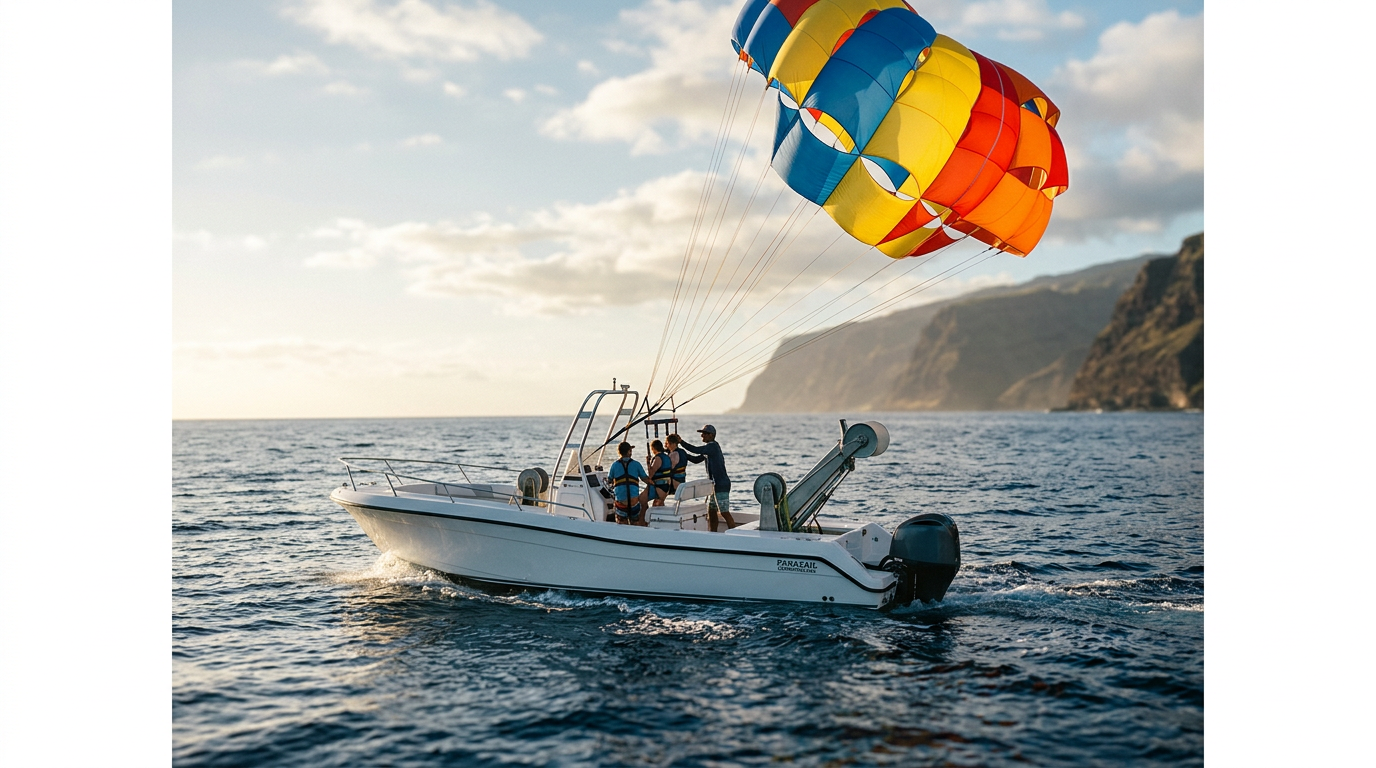
Top 10 Parasailing Boat Manufacturers Worldwide
Choosing the right vessel is the single most important decision and capital investment for any commercial parasail operator. The quality, design, and re…
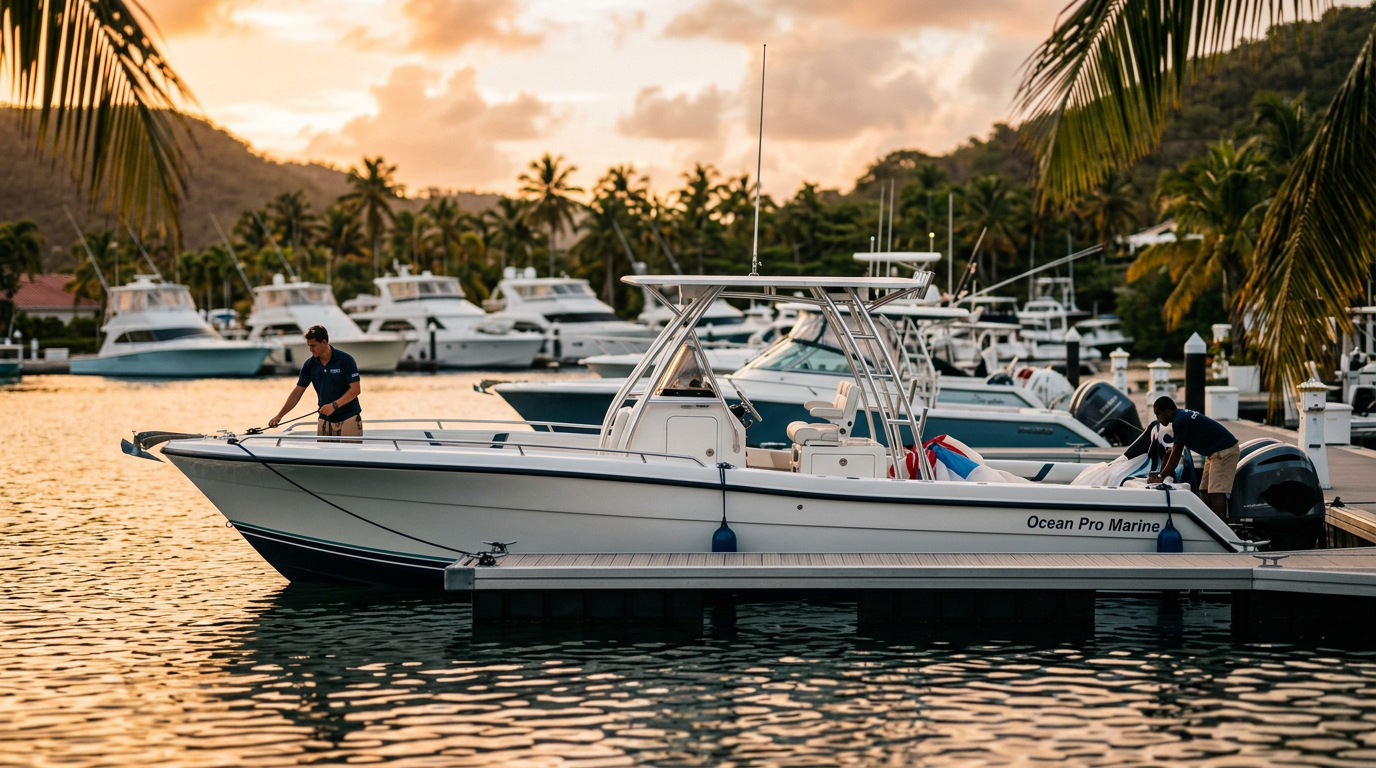
Ocean Pro Marine: Custom-Built Parasail Boats
For professional parasail operators, the boat is the single most important asset, and an offtheshelf model often falls short of specific operational nee…
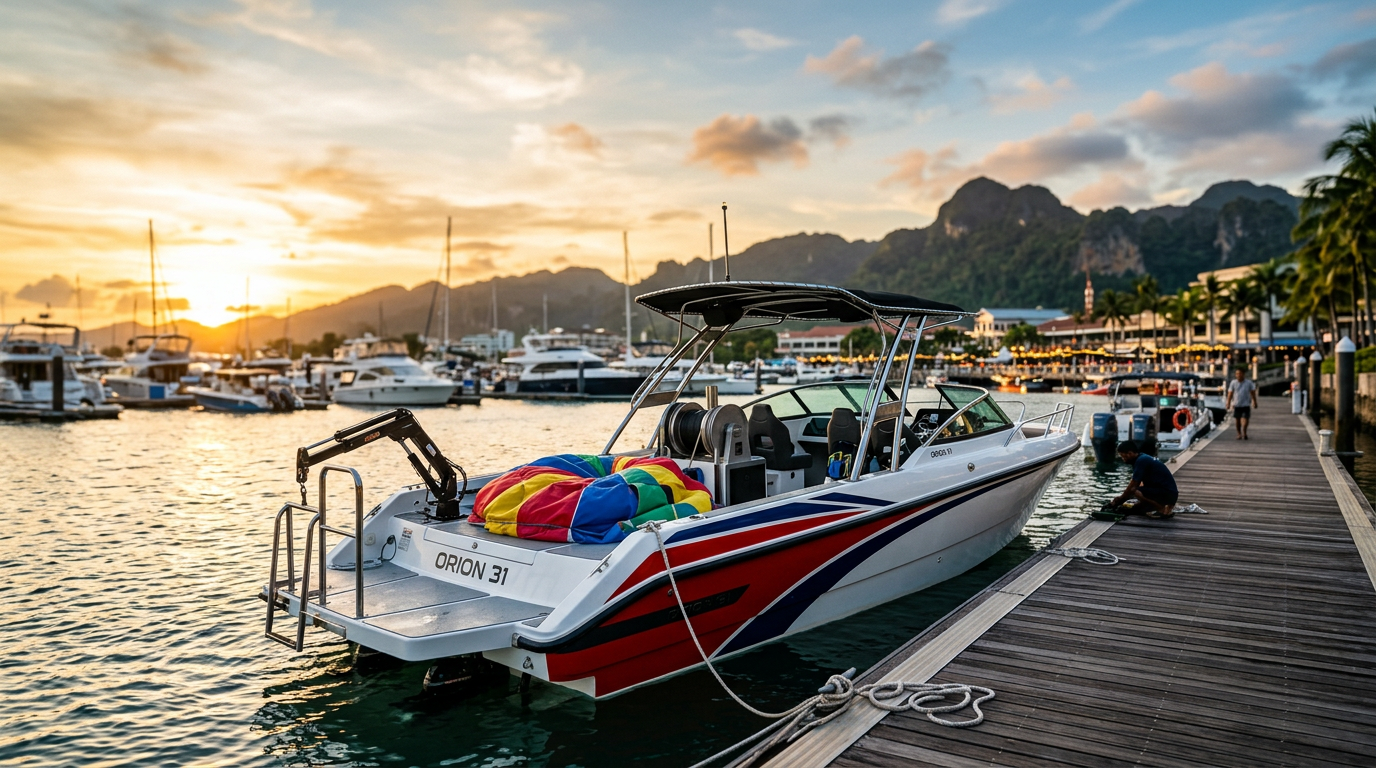
Emerging Builders in the Asia-Pacific Region
For decades, the commercial parasail boat market has been a familiar landscape, dominated by a handful of established American and European parasail boa…